Whoa! The web wallet feels like magic sometimes. It loads fast. It asks for permission just once. And then you’re moving tokens without rebooting your machine or hunting for an extension that went rogue. Okay, so check this out—there’s real momentum behind browser wallets for Solana, and the tradeoffs are worth understanding before you dive in.
My first impression was pure excitement. Seriously? A wallet that runs in a tab and behaves like a native app? My instinct said this would be sketchy. Initially I thought browser wallets sacrificed security for convenience, but then I spent weeks testing workflows and, actually, wait—let me rephrase that: convenience no longer means careless. On one hand you get instant onboarding and cross-device access. Though actually—there are subtleties about key management and session persistence worth knowing.
Here’s the thing. Browser wallets reduce friction dramatically. You don’t have to install an extension or a mobile app to start bridging assets, signing transactions, or interacting with dApps. That lowers the barrier for newcomers and for regular users who switch machines often. But some parts still bug me. For example, session behavior can be surprising if you use public Wi‑Fi, or if the browser clears storage unexpectedly. I’m biased toward tools that respect user control, and browser wallets can be both liberating and fragile.
Let me walk through the practical side—what you get, what you trade, and how to use the web-based Phantom effectively without turning security into an afterthought.
Speed and UX are the headline benefits. Loading a wallet in a tab is fast. You can be in a marketplace or an AMM and connect in seconds. Medium-level users will appreciate the streamlined transaction flows, while newcomers feel less intimidated. But that simplicity masks choices: where seeds are stored, how long sessions persist, and who can prompt you for signatures.
Security first. Browser wallets can be designed to keep private keys encrypted on your device, and modern browser storage is decent, but it’s more exposed than hardware devices. If you value safety above all else, a hardware-first approach still wins. However, hardware wallets integrate with many browser wallets, and that combo gives you convenience plus strong offline key protection. So yeah, there’s a good middle-ground that I use daily.
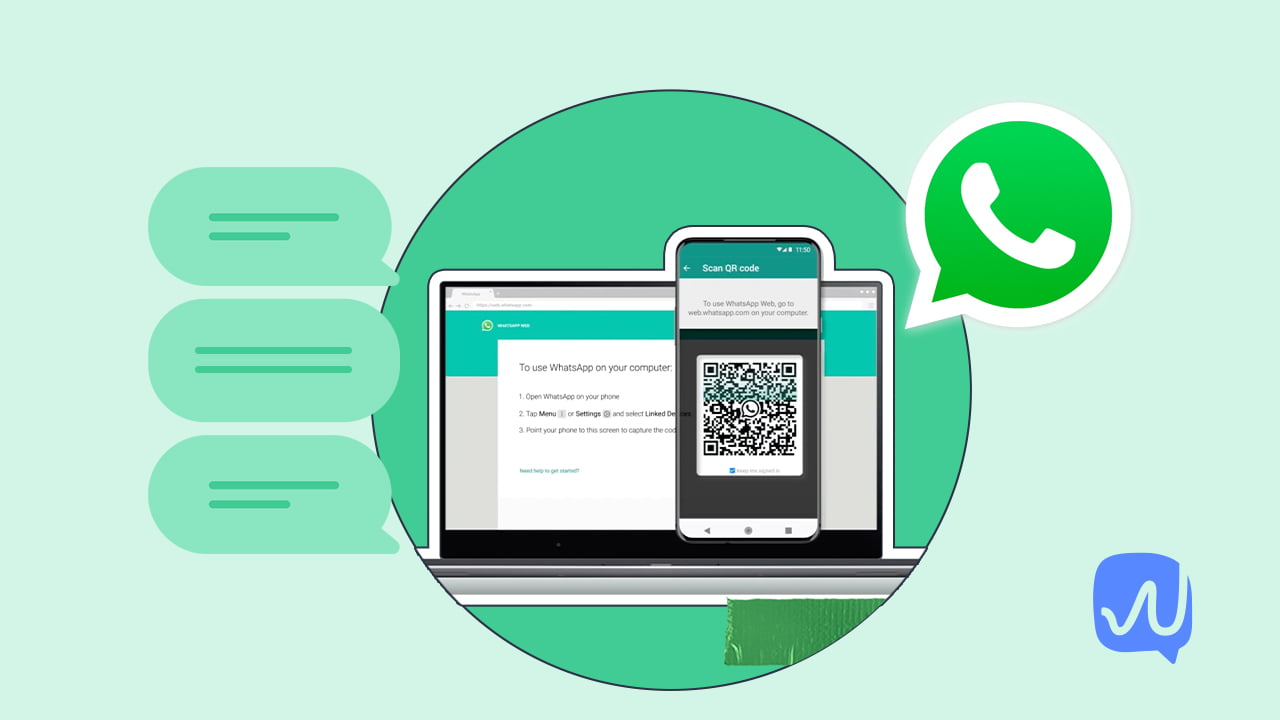
Getting started with the web Phantom wallet
If you want to try a web version of the phantom wallet, expect a quick setup. You usually create a password, back up a seed phrase, and then you’re live. Sounds simple. It is simple—most of the time. But the backup step is the single point of failure. Write that seed down on paper. Put it in a safe. Don’t screenshot it or store it in cloud notes that sync everywhere. I’ll be honest: I once stashed a seed phrase in a note and nearly lost access after an app update cleared my data—lesson learned, painfully.
Practical tips while using a browser wallet:
1) Use a dedicated browser profile for crypto. Keep extensions lean. That reduces attack surface. 2) Consider enabling biometric or OS-level locks where supported. 3) Use hardware wallet integration for meaningful balances. 4) Check permissions and origins before approving any request—always. These are small habits that prevent big headaches.
There are UX quirks worth calling out. A browser wallet might re-prompt for a connection when you switch tabs or when the page reloads. Sometimes signatures appear as popovers; other times they launch a separate window. It’s inconsistent across dApps, which is frustrating. On the bright side, Solana’s transaction model makes confirmations snappy, so signature prompts are brief. Still, I wish the ecosystem standardized one smoother pattern.
Performance is excellent on Solana too. Transactions confirm quickly relative to many chains. That low latency makes browser-based interactions feel native, and it’s one of the reasons web wallets shine on this network. But fast confirmations can lull you into a false sense of security; speed isn’t a substitute for diligence when signing transactions.
Wallet recovery deserves its own paragraph. If your browser profile is gone or corrupted, recovery relies entirely on the seed phrase. Period. No heroic hacks. So make a plan: keep multiple offline backups if you care about continuity. And yes, consider using a metal backup if you live somewhere humid or you worry about fire. Little things—really very very important—can save your crypto life.
On privacy: browser wallets can leak some data by design. Connected sites know your wallet address. That means your on‑chain activity can get correlated across dApps. Use separate wallets if you want compartmentalization, or try address-rotation techniques where supported. Some people use ephemeral wallets for one-off airdrops and transactions. I do that sometimes when I’m testing new marketplaces or when somethin’ smells fishy.
Developer and power-user notes. If you build or use dApps, web wallets remove friction during development cycles. They let you iterate quickly and repro workflows without chasing device pairing. But be mindful of permissions models. Your dApp should request minimal scopes and handle errors gracefully. For users, inspect what a dApp asks for and close the tab if it looks overreaching. This is not paranoia, just basic hygiene.
Recovery and account linking. Some web wallets offer optional cloud-key features or “recover with email” conveniences. Those are controversial. They improve recoverability for average users but add custodial risk vectors—email providers are another target. Personally, I avoid cloud recovery for substantial balances, though for small, everyday use it might be fine. On one hand you get convenience; on the other you accept a plausible attack path. Choose consciously.
Mobile browser compatibility is surprisingly solid too. Mobile web wallets let you connect without installing yet another app, and many teams optimize for small screens. However, session persistence on mobile browsers can be fiddly because OS memory management kills background tabs. If you rely on a web wallet on mobile, expect occasional re-logins and keep your seed accessible offline.
Here’s a quick checklist before making a meaningful transfer:
– Confirm the destination address twice. Copy-paste mistakes happen. – Check transaction fees and expected confirmation time. – If using a new dApp, start with a tiny test transfer. – Keep a hardware wallet for larger holdings. These basic steps prevent rookie errors.
FAQ
Is a web Phantom wallet as secure as an extension or mobile app?
It depends. Architecturally they’re similar when implemented well. Extensions isolate things differently, and mobile apps add OS-level protections. Web wallets are convenient but rely on browser storage. Use hardware keys for serious funds, and treat web wallets as a tradeoff between convenience and exposure.
Can I use a hardware wallet with a browser wallet?
Yes. Most modern web wallets support hardware integration. That gives you the best of both worlds: easy dApp connections plus offline key signing. It’s how I run my main account for daily interactions.
What should I do if my browser clears my wallet data?
Recover with your seed phrase immediately. If you lose that seed, you lose access. Double-check any local backups and consider a hardware wallet going forward. Also, evaluate the cause—was it a browser reset, an extension conflict, or a system cleaner?
So where does this leave you? If you want frictionless access to Solana for everyday interactions, a web version of a wallet is a great choice—for quick trades, testing dApps, and getting comfortable on the network. If you hold large sums, pair the web wallet with a hardware device. I’m not 100% sure every user should go web-only, but for many people the balance of speed and safety is right.
Try the web option, but do it smart. Start small, back up your seed like it’s gold, and keep an eye on permissions. You’ll likely find that the web wallet is less scary than you thought, and more useful than you expected. Somethin’ tells me you’ll use it more than you plan to—just be prepared.
2.本站资源仅供下载者本人学习使用,版权归资源原作者所有,请在下载后24小时之内,从您的设备中自觉删除上述内容。
3.本站纯属为分享资源站点,网站内所有资源仅供学习交流之用,若作商业用途,请购买正版,由于未及时购买正版发生的侵权行为,与本站无关。
4.如您是版权方,本站若无意中侵犯到您的版权利益,请来信联系我们E-mail:2690565141@QQ.com,我们会在收到信息后尽快给予删除处理!
5.网站软件免责说明:根据我国《计算机软件保护条例》第十七条规定:“为了学习和研究软件内含的设计思想和原理,通过安装、显示、传输或者存储软件等方式使用软件的,可以不经软件著作权人许可,不向其支付报酬。”您需知晓本站所有内容资源均来源于网络,仅供用户交流学习与研究使用,版权归属原版权方所有,版权争议与本站无关,用户本人下载后不能用作商业或非法用途,需在24小时之内删除,否则后果均由用户承担责任!
6.特别声明:我们已尽一切努力准确呈现我们的产品及其潜力.任何关于实际收益或实际结果示例的声明均可应要求进行验证.所使用的推荐和示例均为特殊结果,不适用于普通购买者,亦不代表或保证任何人都能获得相同或类似的结果.音频采访可能包含附属链接,可能会因您在后续网站上的任何购买而收取佣金.因此,请勿仅依赖本网站上的推荐.描述.音频采访作为您评估是否在这些网站上购买的唯一信息来源.在任何在线网站购买之前,您都应始终进行尽职调查.每个人的成功都取决于其背景、奉献精神、渴望和动力.与任何商业活动一样,存在固有的资本损失风险,并且无法保证您使用此处出售的任何创意和产品就能获得任何收益!